

The health effects of the 5G radiation are being debated. However, one study suggests that there is a connection between radiofrequency radiation with cancer among male rats. The study was classified up until it was removed at the end of 2012 by Central Intelligence Agency, but it has proven that radiofrequency may trigger cancerous growth in animal, including humans. In the study, researchers exposed male rats to radiofrequency for a period of 15 days. They discovered that they developed the similar types of cancers humans develop.
Health effects of radiation from 5G
Although the rapid growth of wireless communications have led to development of 5G systems, there are growing concerns regarding the health risks of radiation from 5G. Although the higher frequencies do not affect the body as much as older technologies, scientists have identified potential health effects that are systemic and have called for further studies. To ensure that people are protected, there is a need for the European Commission is requesting independent studies to determine if the technology poses any health risks.
It is important to note that there is a significant amount of misinformation regarding 5G's effects on health, and it is essential to dispel any doubts that remain. Although the technology isn't yet widely used however, there are plenty of people who are being told that it can cause health problems mostly through social networks where sensational use of language is commonplace.
Beamforming technique
Beamforming is among the most crucial technologies used in 5G mobile networks. It is a technique that makes use of multiple radiating elements to generate a narrow beam. The goal of beamforming is to minimize the amount of unwanted radiation within the signal that results. 5g radiation is commonly used for wireless communication systems and is crucial for 5G's low-cost coverage.
The method works by electronically weighing the signals of each antenna. This results in an extremely narrow beam of radiation that increases cell coverage indoors and near the cell's edges. This is crucial since poor coverage could lead to poor user satisfaction. Apart from increasing the signal, beamforming can reduce the amount of interference a user experiences from other devices.
Power density
The intensity of 5G electromagnetic radiation coming from cell towers will be comparable to that of previous generations of 4G and 3G systems. A reason that lower density is the electrical components' sensitivity. The maximum radiation output of a 2G phone was approximate 2 Watts, whereas that of a 4G phone was approximate 200 milliwatts.
The power density measures the amount of electromagnetic energy that can be absorbed into the body from a specific distance. The power density of radiation 5g is usually measured in Watts per square meters. In 5g radiation symptoms to the SAR measurement power density is a measure of the quantity of electromagnetic energy within the space. The power density limits can be different for mobile devices and wearables dependent on their operating frequency and distance.
Specific absorption
The Specific Absorption Rate (SAR) can be described as a measure that measures the rate at which a particular frequency depositions power in human tissues. In generally, the SAR must not exceed 2 Watts per kilogram of body mass. This value is derived from the electric field within tissues and the mass density, which is measured by kilograms of mass per cubic meter. The method was recent applied to the proposed antenna design.
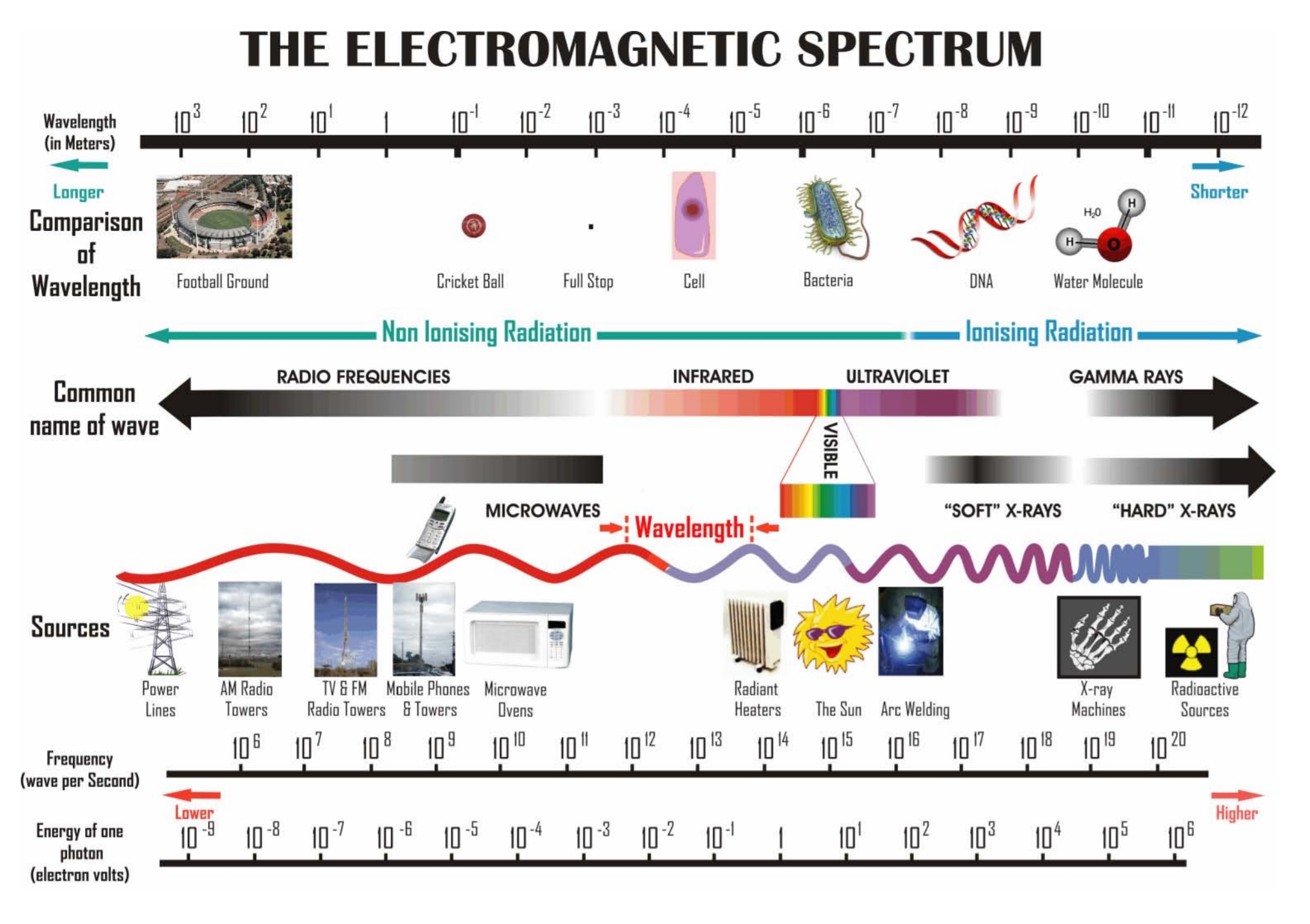
The latest radio technologies that comprise the 5G system operate on frequencies that are below 6 GHz. These frequencies are known as millimeter waves. However, https://k12.instructure.com/eportfolios/354049/Home/5G_Radiation_and_Epidermis_Cancer_2 applies to frequencies of up to 6 GHz. Furthermore the SAR test requires that measurements are conducted in phantoms containing tissue simulating media.
Health effects on skin
At present, we know very little about the health impacts of 5G radiation on the skin. Our knowledge of the subject is limited due to the absence of experiments in vivo and theoretical models. There is however an urgent need for more studies of the effects of 5G radio frequency radiation on the human skin. The use of 5G radio frequencies could cause skin damage particularly to the epidermis, one of the most sensitive parts.
Unlike 4G, 5G radiation is one of the highest frequencies which has been proven to increase the temperature of human body tissues. The human body is dipolar, so the increased frequency of radio waves from 5G will cause heat in the skin. The exposure to radio frequencies from 5G may also affect other organs in the body, like the brain.